
Graham County District Court Overview
Kansas district courts are the state's general-jurisdiction trial courts. In Graham County, that means the district court is the court of first filing for most local court records: criminal prosecutions, civil lawsuits, divorce and domestic cases, probate and estate administration, guardianships, conservatorships, small claims, traffic citations, fish and game citations, juvenile offender matters, and care and treatment cases. Municipal courts, when involved, are narrower city ordinance courts.
Graham County sits in the 17th Judicial District with Decatur, Norton, Osborne, Phillips, and Smith counties. Official Kansas Judicial Branch snippets list Graham County District Court at the Hill City courthouse address and identify Jessie Thompson as Graham County District Magistrate Judge. A 2024 judicial-branch item also identified District Judge Paula D. Hofaker as chief judge of the 17th Judicial District for the stated 2025 term. Those district-level facts matter because some administration is regional, while the case-file counter for Graham County remains local.
Graham County District Court
410 N Pomeroy Ave., Suite 9
Hill City, KS 67642
785-421-3458
Fax: 785-421-5463
Graham County District Court List
Graham County does not have a set of separate numbered district courts like large urban counties in some states. The research identifies one local district court office and a district magistrate judge serving Graham County within the 17th Judicial District. The table keeps the court, district, and related office roles distinct so court-record users do not send a district-court request to the county administrative clerk or the land-record office.
| Court / Office | Type | Address | Phone |
|---|---|---|---|
| Graham County District Court | General-jurisdiction Kansas trial court | 410 N Pomeroy Ave., Suite 9, Hill City, KS 67642 | 785-421-3458 |
| Graham County District Magistrate Judge | Local judicial officer in the 17th Judicial District | 410 N Pomeroy Ave., Suite 9, Hill City, KS 67642 | 785-421-3458 |
| 17th Judicial District | Multi-county district administration | Decatur, Graham, Norton, Osborne, Phillips, and Smith counties | Use district page by county |
| Graham County Sheriff's Department | Law enforcement, jail, warrants, court security/service | 410 N. Pomeroy, Hill City, KS 67642 | 785-421-2107 |
Graham County Court Types
Kansas does not use a separate county court for Graham County court cases in the way some states do. The local trial court is the District Court. The County Clerk / Election Officer is a county administrative office, not a court. Municipal courts may handle city ordinance violations inside incorporated cities, but the Graham County traffic FAQ points ticket-cost and court-date questions to the District Court Clerk.
| Topic | District Court | Municipal Court | County Clerk / Election Officer |
|---|---|---|---|
| Role | Kansas trial court for broad case types | City ordinance and municipal-code matters | County administration, elections, tax rolls, FOI officer |
| Criminal matters | Felony and misdemeanor prosecutions in district court | City ordinance violations if filed by a city court | No criminal case-file custody |
| Traffic matters | County/state citations and district-court traffic files | Possible city ordinance citations | County FAQ redirects court date and cost questions to District Court Clerk |
| Records access | CaseSearch, clerk counter, courthouse terminal | Issuing city or municipal court if applicable | County administrative records and KORA routing |
Graham County Case Flow
A Graham County District Court case begins when a petition, complaint, citation, charging document, probate petition, or other filing enters the court. After filing, the docket becomes the chronological record of what happens: service, appearances, motions, hearings, continuances, orders, pleas, judgments, sentences, payments, warrants, satisfaction entries, or appeals. The docket is often the first thing a searcher needs because it shows status even when a full document is not online.
Criminal flow: arrest or summons › first appearance › charging document › arraignment › pretrial motions › plea or trial › disposition › sentencing › appeal or post-judgment action.
Civil flow: petition or complaint filed › service › answer or default › motions and hearings › judgment or settlement › collection, satisfaction, or appeal.
Probate, guardianship, conservatorship, and domestic cases use their own procedural steps, but the same basic record logic applies. The filed case produces a docket, public documents are released only when rules allow, and certified copies come from the Clerk of the District Court.
Graham County District Records
Public district-court records can be searched through Kansas CaseSearch, the statewide public district-court search tool. The Kansas Judicial Branch district court records materials also state that public records are available at courthouses and that each court has a computer reserved for public case-record searches. That means the online portal is important, but it is not the only route.
The Kansas district court records page and the local Graham County clerk counter work together. Use the portal for public case data and documents where available. Use the clerk for certified copies, older files, paper-only records, records not released online, fee questions, court dates, and traffic-ticket questions. The court-record page gives the deeper search workflow for public case files.
The Kansas district courts overview is the source for the statewide court structure shown here.
Statewide structure matters because Graham County filings are local, but the access tools and public-record rules are Kansas court-system rules.
Graham County Court Divisions
The same Graham County District Court office handles several case types. Civil files can involve contracts, property disputes, debt collection, damages, garnishments, liens, and judgments. Criminal files include charges, pleas, motions, bond orders, warrants, dispositions, sentencing, fines, costs, restitution, and revocation proceedings. Domestic files include divorce, custody, child support, protection-from-abuse, and related orders. Probate files include estate administration, wills, guardianships, conservatorships, inventories, notices, accountings, and final settlement orders.
Traffic and fish and game matters can appear as district-court cases or payment-center obligations. The official county FAQ says questions about traffic ticket costs and court dates go to the District Court Clerk's office. Payable traffic, criminal, juvenile offender, and fish and game cases may also appear in the KSCourts Central Payment Center, but that portal is for payment. It is not a full court-record portal and does not decide whether an appearance is required.
Federal Courts for Graham County
Federal cases are separate from Graham County District Court. The U.S. District Court for the District of Kansas covers the whole state for federal trial-court matters. Its court-records page explains PACER access, public terminals in Kansas City, Topeka, and Wichita, closed files, NARA retrieval, and copy requests.
The District of Kansas court-records page is the correct source for federal civil and criminal cases.
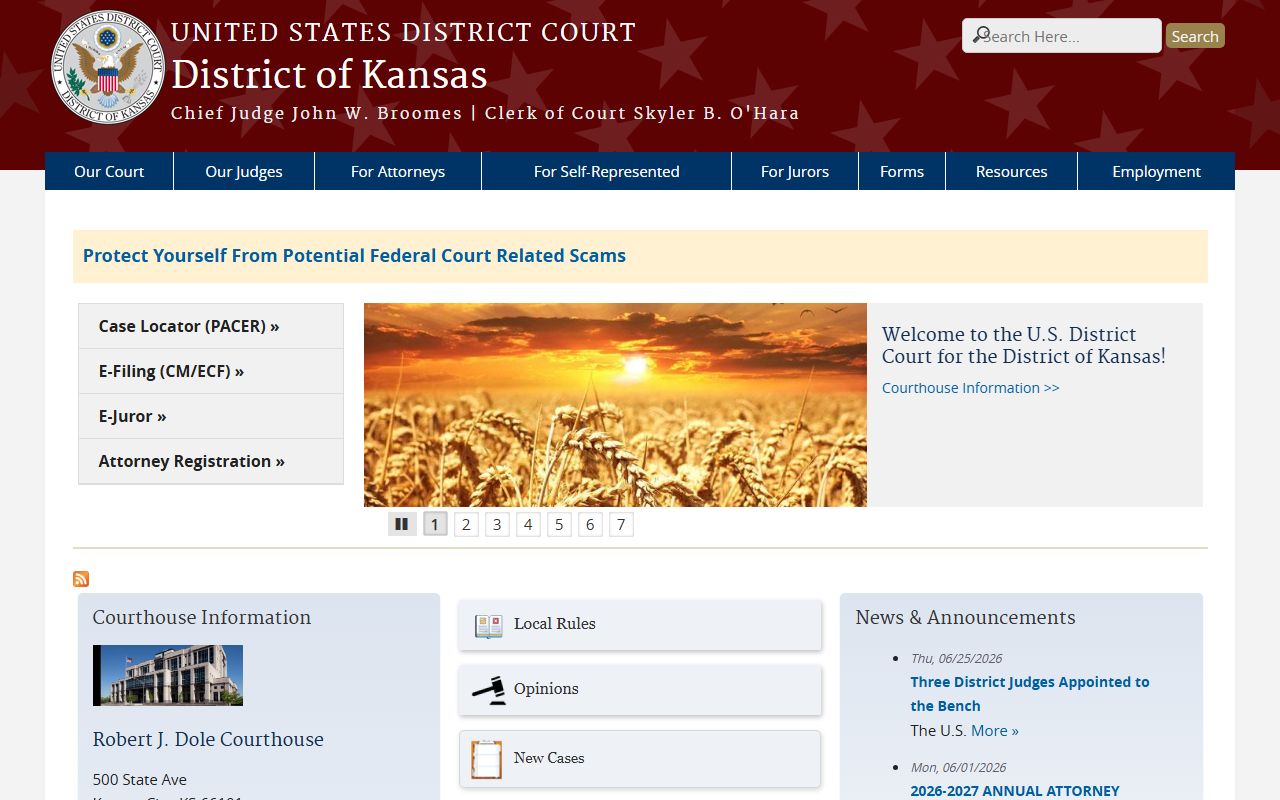
Use federal sources for federal charges, federal civil cases, bankruptcy, and appellate matters, not the Graham County District Court Clerk.
The federal court's record process also relies on the PACER Service Center for electronic public access to federal appellate, district, bankruptcy, and party/case-index records.
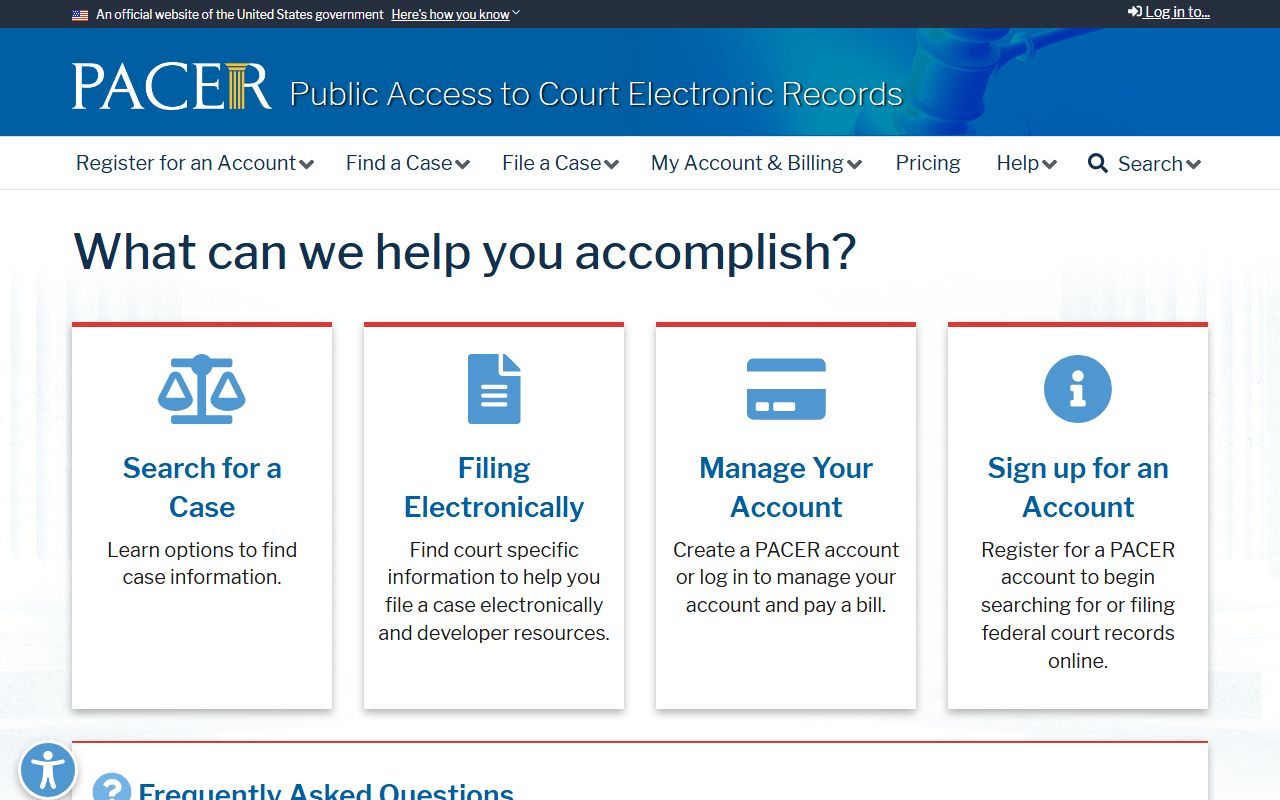
PACER is separate from Kansas CaseSearch and should be used only for federal filings, not Graham County District Court cases.
Federal appeals from Kansas federal trial matters route through the U.S. Court of Appeals for the Tenth Circuit.
State appeals from Graham County District Court generally use the Kansas appellate courts, so the federal appellate route applies only to federal cases.
Graham County Court History
Graham County's courthouse location is tied to county-seat history. The county was created by the Kansas Legislature in 1867 and organized for administrative purposes on April 1, 1880. The first county seat was Millbrook. After Millbrook was destroyed by a tornado on August 4, 1887, the county seat moved to Hill City on March 10, 1888. Official county history says J.R. Pomeroy, who helped W.R. Hill develop Hill City, donated most of the tract where the courthouse was built, and that the site is still used for the modern courthouse.
That history is useful for record access because Hill City remains the county seat and the practical center for Graham County court records, sheriff and jail records, county administration, and land records. The county's towns and communities, including Morland, Bogue, St. Peter, Penokee, and Nicodemus, route county-level court access to the Hill City courthouse area.